
Low-Waste Indoor Plant Maintenance: Grow Greener at Home
Build Intentional Routines That Prevent Waste
Create a weekly plant check where you water, rotate, dust, and note changes. This small ritual prevents overwatering, duplicate purchases, and panic repotting. Consistency also builds confidence, saving both materials and time while improving your plants’ long-term resilience.
Audit What You Already Have
Before buying anything, gather old pots, trays, labels, and leftover soil components. Many households hide gold: yogurt tubs, glass jars, and storage bins perfect for propagation or supplies. Post your best repurpose wins, and inspire another grower to try the same.
Anecdote: The Pothos That Taught Us Enough
We revived a droopy pothos using reclaimed potting mix, a thrifted terracotta pot, and rinsed gravel from a long-forgotten aquarium. No fancy tools, just patience. It now trails proudly, reminding us that low-waste choices can be beautiful and deeply satisfying.
Water Wisdom with Minimal Waste
Capture and Reuse Safe Household Water
Collect leftover drinking water, cooled kettle water, and water from rinsing produce for non-edible plants. Freshwater aquarium change water works wonderfully too. Avoid softened water and anything contaminated by cleaners. Comment if you want a printable checklist of safe sources.
Precision Watering Reduces Overuse
Bottom-water with a shallow tray to limit runoff, or use a simple chopstick test to gauge moisture before watering. These tiny tweaks prevent soggy soil, reduce fungus gnat issues, and ensure every drop reaches roots where it truly matters most.
Humidify Without Disposable Gadgets
Group plants to create a microclimate, place trays with salvaged pebbles and water near heat sources, or move humidity-loving plants to bathrooms. These approaches reduce reliance on single-use packs and wasteful misting. Share your setup photos and clever humidity hacks.

Soil and Potting Mixes with Less Waste
Remove old roots, sift debris, and solarize used mix in a clear bag under strong sun to reduce pests and pathogens. Blend with fresh components and worm castings. Label batches, and note which plants thrived with your rejuvenated blends.
Low-Waste Pots, Tools, and Propagation
Clean and sanitize yogurt tubs, tins, or sturdy glass with hot soapy water and a spritz of 3% hydrogen peroxide. Drill drainage holes, add a reused saucer, and label with a washable marker. Safety first, then sustainability, then delightful creativity.
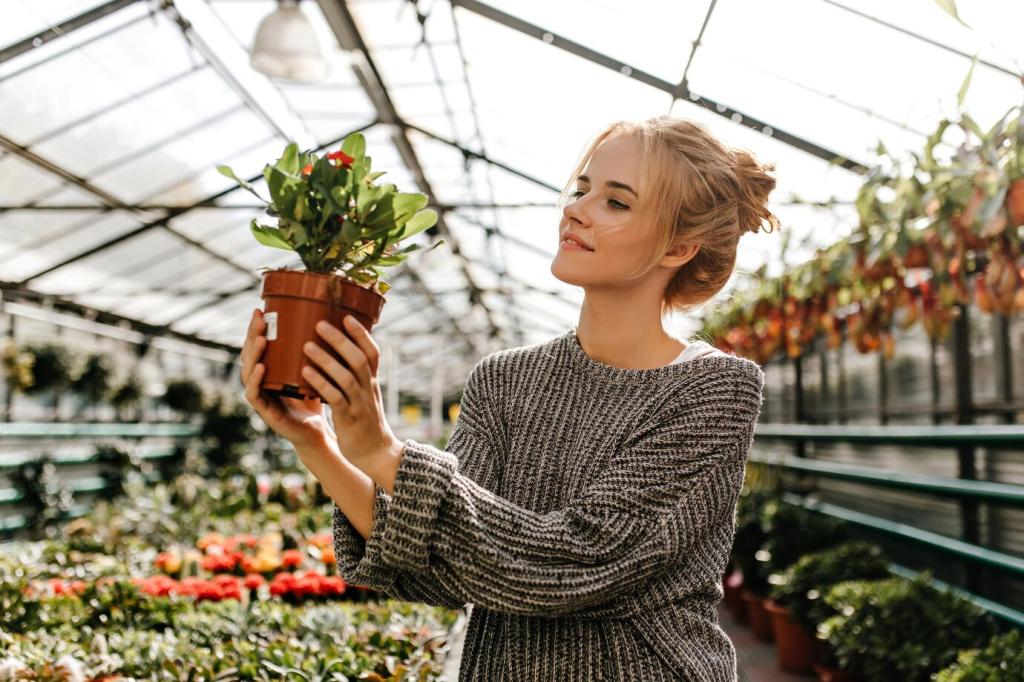
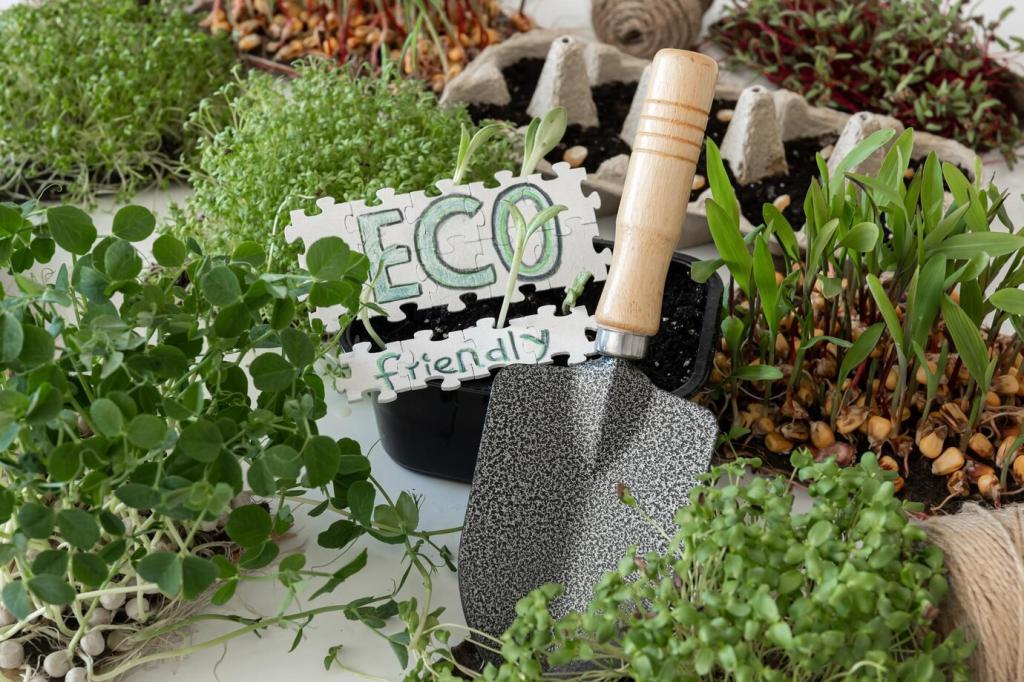
Schedule quick weekly inspections: leaf undersides, stems, and soil surface. Catching issues early minimizes sprays, soil disposal, and plant losses. Keep a small notebook or notes app to track outbreaks, treatments, and successful strategies by plant and season.
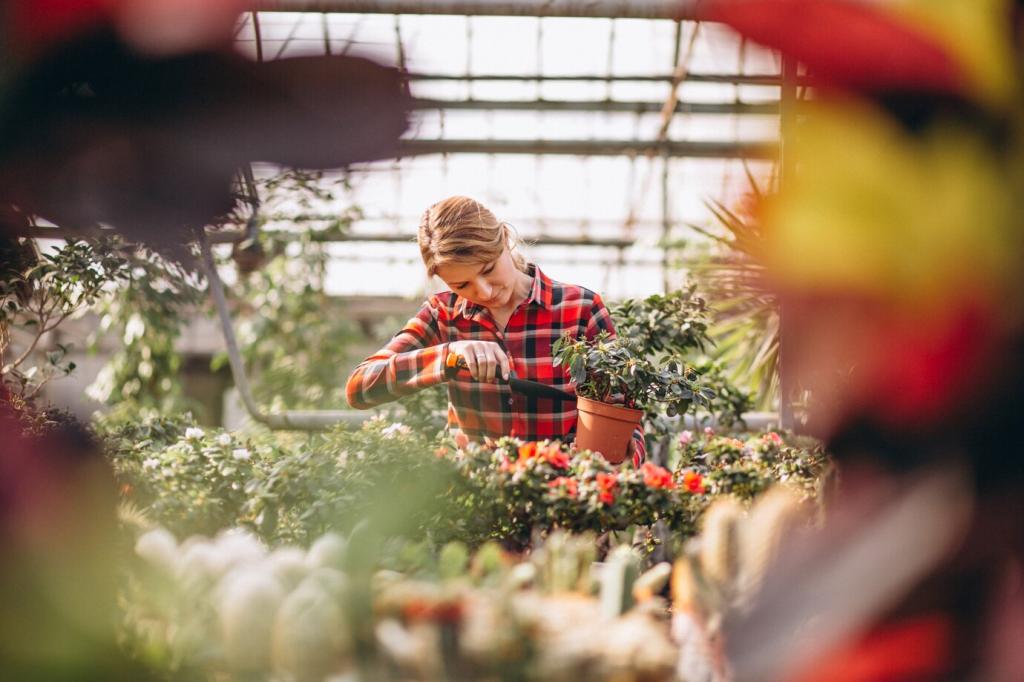
Use castile soap sprays mixed in a refillable bottle, dab mealybugs with 70% isopropyl alcohol, and rinse leaves to remove webs or dust. Always test a leaf first. These controlled, modest treatments reduce waste and preserve beneficial organisms where possible.
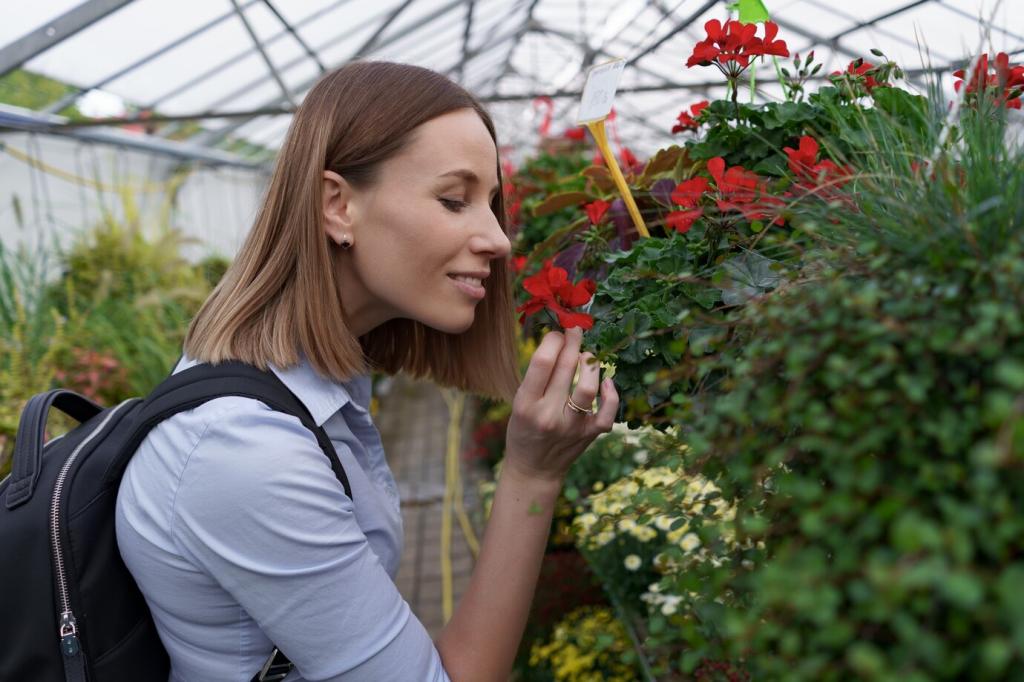
Keep new or struggling plants separate for two weeks. Wipe tools and shelves with diluted alcohol, and use washable cloths instead of disposable wipes. These habits cut plastic waste, safeguard your collection, and build confidence in long-term plant health.
Use a phone light meter app to understand your home’s bright, medium, and low-light zones. Move plants accordingly before buying new gear. Thoughtful placement prevents weak growth, reduces pest stress, and keeps you from replacing plants unnecessarily.
Light, Nutrition, and Seasonal Care with Less Waste
Choose energy-efficient LED grow bars with timers, position them 12–24 inches above foliage, and extend short winter days moderately. Reflective surfaces help, and timers avoid overuse. Ask us for our low-waste lighting checklist tailored to apartments and small homes.